Going self-employed as a mobile locksmith means your truck becomes your shop and your phone becomes your front desk. There's no landlord, no set schedule, and no ceiling on what you can earn beyond what the work itself brings in. There's also no paycheck showing up automatically on Friday. Here's the order most people follow to make the jump work.
Get trained before you buy anything
Lock mechanisms, car key fobs, and smart locks each require different skills, and none of them are things you want to learn for the first time on a paying job. Training for this field can run anywhere from several weeks to a few years, with the longer end covering automotive transponder programming and commercial access systems rather than basic residential repairs. Many locksmiths start with a short course or an apprenticeship under someone already in the trade, then keep adding skills as they go. Skip this step and you'll find out the hard way that a $400 smart lock doesn't forgive guesswork.
Pick what you want to specialize in
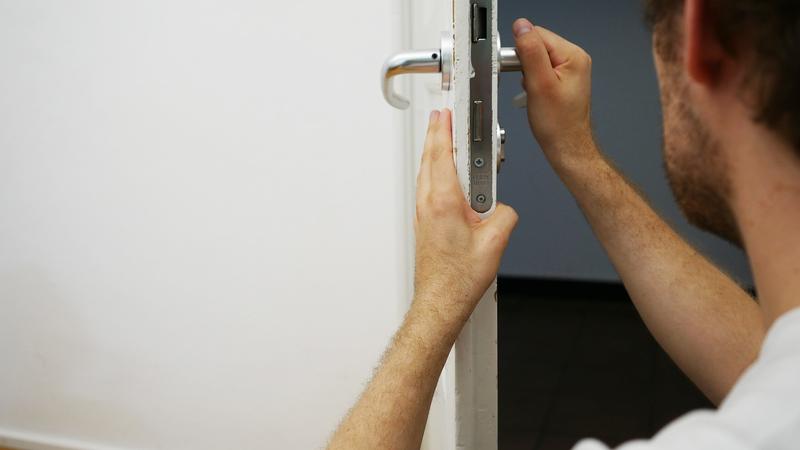
Most mobile locksmiths lean toward one of three lanes: residential lockouts and rekeys, automotive key work, or commercial access and security systems. You don't have to pick forever, but picking a starting lane tells you what tools to buy first and what kind of calls to chase. Automotive work tends to pay well because of the equipment involved, while residential lockouts are steady and easy to market locally. Commercial clients pay slower but often bring repeat contracts for things like master key systems. Your choice here shapes almost every decision that follows.
Set up the business side
Registering your business, getting liability insurance, and checking your state's licensing rules come before your first invoice, not after. Locksmith licensing varies a lot by state, and some states require background checks or a state-issued license number you have to display on your van. Set up a business bank account too, even if you're a one-person operation, because mixing personal and business money makes tax time miserable. This is also the point to decide if you're a sole proprietor or an LLC, since that affects how exposed your personal assets are if something goes wrong on a job.
Equip the van
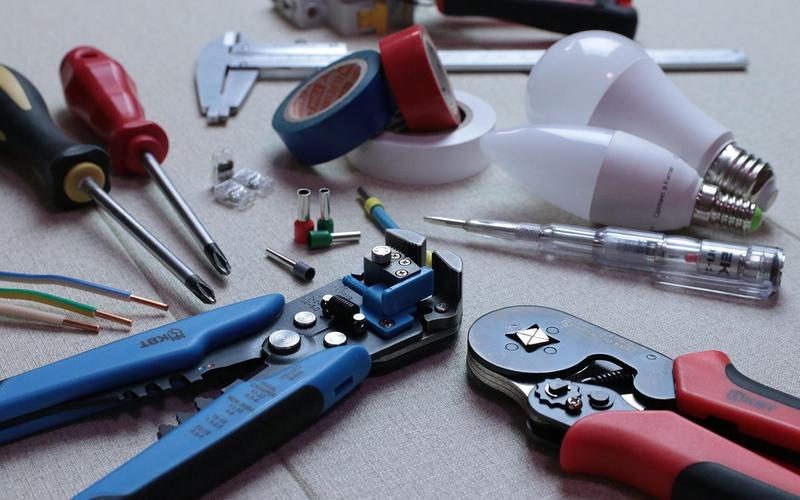
Your van is your workshop, and it needs to carry enough inventory to handle most calls without a return trip. That means pick guns, key cutting equipment, a laptop with programming software for newer vehicles, a safe assortment of blanks, and basic hardware for door and lock replacement. Budget more here than you think you'll need. A well-stocked van is what lets you say yes to a 2 a.m. lockout call instead of telling the customer to try someone else.
Make yourself findable
People search for a locksmith at the worst possible moment, usually standing outside a locked door at night, so being easy to find matters more than almost anything else you'll do. A site like locksmith lists local pros and can put your business in front of someone searching right now instead of scrolling through ten pages of results. Beyond that, claim your business on Google, ask early customers for reviews, and put your phone number somewhere visible on the van itself. Word of mouth builds slowly in this trade, so early visibility does a lot of heavy lifting.
Price your work with real numbers in mind
Locksmiths working full time bring home an average annual salary of $50,000, though the range stretches from $34,000 to $78,000 depending on specialty, location, and how much commercial work you land. Emergency and after-hours calls usually carry a premium, and automotive key programming tends to pay more per job than a simple rekey. Track every job's time and materials for the first few months so your pricing reflects reality instead of a guess. Underpricing to win early customers is tempting, but it's a hard habit to break later.
Keep building once the calls start coming in
The field's outlook sits at a middling 5 out of 10, which means steady work exists but growth isn't explosive, so staying sharp matters more than coasting on early momentum. Add a new skill every year, something like smart home integration, commercial access control, or automotive work on newer vehicle models. You can read more about typical pay, training paths, and daily tasks on the locksmith profession page, which is worth a look before you commit to a specialty.
Once the van is stocked and the licensing paperwork is filed, the next real step is simple: answer your phone every time it rings, because in this trade, the first locksmith who picks up is usually the one who gets the job.